Key Takeaways
- A fractional CMO is a senior marketing executive who works with your business part time and owns both the strategy and the results.
- Most growing businesses choose between three paths: a full-time CMO, running marketing themselves with AI tools, or a fractional CMO.
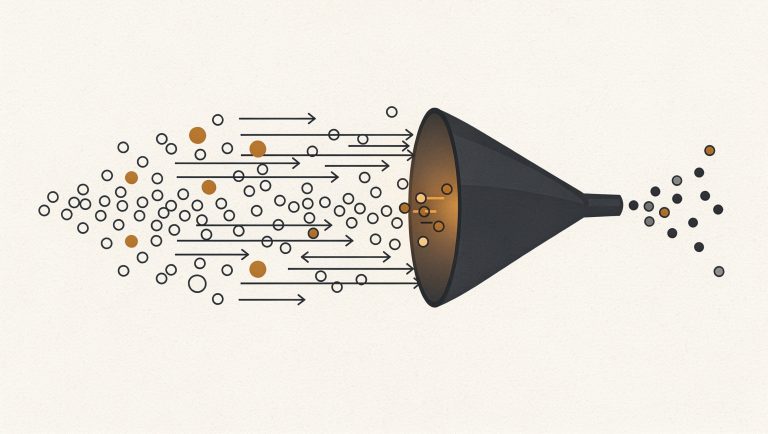
- AI speeds up production, but it can't decide where your business should compete, what to say or where the budget should go.
- A fractional CMO costs a fraction of a full-time executive and can start in weeks, with far less hiring risk.
- A full-time CMO still makes sense for some companies, and this guide shows how to tell which option fits yours.
- The questions at the end of this guide will help you vet any fractional CMO before you sign.
Article at a Glance
A fractional CMO is an experienced marketing executive who leads a company's marketing on a part-time basis, owning strategy and accountability for results. For most businesses that have outgrown doing marketing themselves but can't justify a full-time executive, it is the most cost-effective way to get senior leadership. It usually starts within weeks and costs a fraction of a full-time CMO. AI tools can support the work, but they can't replace the judgment a business needs to decide where to compete, what to say and where to invest. A full-time CMO becomes the better choice once a company has a large in-house team that needs daily management.
This fractional CMO guide is for business owners who have reached a familiar point. Marketing is busy, there are vendors and tools and campaigns running, and yet no one can say with confidence what is actually driving growth. You know something needs to change. The question is what.
Most owners see two options. Hire a full-time Chief Marketing Officer, which is a large and risky commitment, or lean on AI tools and handle it yourself, which feels efficient but rarely fixes the underlying problem. There is a third option that fits many growing businesses better than either one. This guide walks through all three honestly, including when the fractional route is not the right call.
What Is a Fractional CMO?
A fractional CMO is a senior marketing executive who works with your company on a part-time or retainer basis instead of as a full-time employee. The word "fractional" describes the time commitment, not the level of experience. You get an executive who has led marketing before, working a set number of days or hours each month, often alongside a small number of other companies.
What makes the role different is ownership. A fractional CMO sets the marketing strategy, decides priorities, manages the people and vendors who execute it, and is accountable for whether it works.
How a Fractional CMO Differs From a Consultant
A consultant studies your situation and gives you recommendations. What happens next is up to you. A fractional CMO stays and leads the implementation, adjusts as results come in, and answers for the outcome. If you have ever paid for a strategy deck that ended up in a drawer, you already understand the difference.
How a Fractional CMO Differs From an Agency
An agency executes. It runs your ads, writes your content or manages your social channels, usually within a defined scope. Most agencies are very good at their specialty, but they are not positioned to decide whether that specialty is where your money should go. A fractional CMO sits above the agencies, sets the direction and holds them to it.
How a Fractional CMO Differs From a Marketing Manager
A marketing manager coordinates day-to-day activity and is often the person keeping everything moving. Many are excellent, but they typically don't have the experience or the authority to set company-level strategy. A fractional CMO can give that manager the direction they have been missing, which often makes the whole team more effective.
The Three Options for Leading Your Marketing
When a business outgrows its current approach, the decision usually comes down to three paths. Here is how they compare on the factors that matter most.
| Factor | Full-Time CMO | DIY With AI Tools | Fractional CMO |
|---|---|---|---|
| Strategic direction | Yes, full time | Depends on the owner | Yes, part time |
| Accountability for results | Yes | Falls on the owner | Yes |
| Cost | Highest | Lowest in dollars, highest in owner time | A fraction of full time |
| Time to start | Several months | Immediate | Usually a few weeks |
| Risk if it doesn't work | High | Hidden, builds slowly | Low, easy to adjust |
| Best for | Large teams needing daily leadership | Very early stage, simple marketing | Growing businesses that need senior direction |
Option One: Hiring a Full-Time CMO
A full-time CMO gives you a dedicated executive who is fully invested in your company. For the right business, that is exactly what's needed. The trade-off is cost and risk. Built In's 2026 salary data puts the average CMO base salary at roughly $226,000, and industry cost breakdowns commonly place total employer cost between $275,000 and $500,000 once bonus, benefits and equity are included.
Then there is the time. An executive search often runs several months before the person starts, followed by a ramp-up period while they learn your market. Multiple studies of executive hiring have found that somewhere between a third and half of senior hires fall short of expectations within their first year or two. When a full-time CMO doesn't work out, you lose the salary, the search costs and, often hardest of all, the momentum.
Option Two: Doing It Yourself With AI
AI tools have changed what a small team can produce. You can draft articles, write ad copy, summarize reports and build campaign ideas in minutes. It is tempting to believe the right combination of tools could replace marketing leadership altogether.
The problem is that AI answers the questions you ask it. It doesn't tell you which questions matter. It won't decide which market segment you should pursue, whether your positioning is actually different from your competitors, or whether your budget belongs in search, events or referral partnerships. Without that direction, AI tends to produce more of what you were already doing, just faster.
There is also a cost that doesn't show up on an invoice. If you are the one deciding what the AI should produce, reviewing it and deciding where it goes, marketing is taking your time away from running the business.
Option Three: Bringing In a Fractional CMO
A fractional CMO gives you the senior judgment of a full-time executive without the full-time commitment. You get someone who owns the strategy, coordinates your vendors and tools (including AI) and connects marketing to revenue. Because the engagement is flexible, it can grow during a major push and scale back once things run smoothly.
If you are weighing these options right now, book a call to talk through which one fits where your business is today.
Signs Your Business Needs Marketing Leadership
Revenue size is a weak signal on its own. Complexity and time are better indicators. If several of these sound familiar, your business has likely outgrown its current approach.
- You are managing multiple marketing vendors who don't coordinate with each other.
- Every campaign decision still lands on your desk.
- Sales regularly says marketing's leads aren't qualified.
- You can't say with confidence which channel produces your best customers.
- Budget decisions follow whoever pitched most recently, or whatever a competitor just did.
- Content gets produced, but it doesn't build toward anything lasting.
- Your marketing team is busy but can't point to a clear plan for the year.
- You have tried AI tools and gotten more output, but not more growth.
None of these mean anyone is doing a bad job. They usually mean nobody has been given the role of deciding what the job is.
What a Fractional CMO Actually Does
The specifics vary by business, but most engagements follow a similar arc in the first few months.
The First 30 Days: Diagnosis
A good fractional CMO starts by understanding what is actually happening. That means reviewing your positioning, your customer data, your channel performance, your sales process and your existing vendors. The goal is a clear, honest picture of what is working, what isn't and where the biggest opportunities sit.
Days 30 to 60: The Plan
From that diagnosis comes a focused plan with clear priorities, a budget tied to them and agreed measures of success. A good plan also says what you will stop doing, which is often where the quickest gains come from.
Days 60 to 90 and Beyond: Leading Execution
Then the work shifts to leading execution. The fractional CMO directs your team and vendors, reviews results, adjusts the plan and reports to you in terms of business outcomes, not just marketing activity. Over time, the aim is a marketing function that runs on a system rather than on your personal attention.
Understanding the Real Cost
Comparing costs means looking beyond the monthly number.
The Visible Costs
A full-time CMO carries salary, bonus, benefits, equity and search fees, and the commitment is open-ended. A fractional CMO is typically paid a monthly retainer that reflects the scope of the work, usually a small fraction of full-time cost. DIY with AI costs the least in software fees, but it is the most expensive option in owner time.
The Hidden Costs
The larger costs are often the ones nobody invoices you for. Budget spread thin across channels that never get enough investment to work. Leads that sales ignores. Good employees who leave because the direction keeps changing. Months lost to a hire that didn't fit. These costs are real, and they compound quietly.
Alternative Engagement Models
Some fractional CMOs offer structures beyond a standard retainer. At LeRiche Marketing, for example, the Performance Partnership lets qualifying businesses pay only hard costs at internal agency rates, up to 75% less than a traditional retainer, while LeRiche Marketing earns commission on the new business generated. It is built for companies with a strong offer, healthy margins and the ability to close the opportunities that come in. If your business fits that profile, it is worth asking about.
Where AI Fits, and Where It Doesn't
AI is not the opposite of a fractional CMO. Used well, it is one of the tools a fractional CMO directs.
What AI Does Well
AI is excellent at speeding up production and analysis. It can draft first versions of content, summarize customer feedback, generate variations for testing and help a small team handle a larger workload. In the right hands, it stretches a marketing budget considerably further.
What AI Can't Do
AI can't weigh trade-offs specific to your business, understand the relationships behind your best deals or take responsibility for a decision. It doesn't know that your largest customer came through a trade association, or that your sales team closes best in person. Strategy depends on that kind of context and judgment.
The Best Combination
The strongest setup for most growing businesses is senior judgment directing efficient execution. A fractional CMO decides what matters and where to invest, and AI helps the team produce and test faster. You get direction and speed together, instead of speed without direction.
When a Full-Time CMO Is the Right Call
A fractional CMO isn't the right answer for every company. A full-time hire usually makes more sense when:
- You have a large in-house marketing team that needs daily management and development.
- Marketing is complex enough to demand executive attention every day, such as multiple product lines across multiple markets.
- Your board or investors expect a full-time marketing executive on the leadership team.
Many businesses use a fractional CMO as a bridge. The fractional leader builds the strategy, the systems and the team, then helps define and hire the full-time role once it is clear what that person needs to do. That sequence dramatically improves the odds that the full-time hire succeeds.
Not sure which side of that line your business sits on? Schedule a conversation and we'll work through it together.
Questions to Ask Before Hiring a Fractional CMO
Not all fractional CMOs work the same way. These questions will help you find one who fits.
- What does your first 90 days look like? You want a clear process that starts with diagnosis, not a pre-packaged plan.
- Have you worked with businesses like ours? Similar size, sales cycle and customer type matter more than the same industry.
- How do you measure success? Listen for business outcomes such as qualified pipeline, revenue and customer acquisition cost, not just traffic or impressions.
- Do you sell a particular service? A fractional CMO who also sells one channel may be biased toward it. You want someone who recommends what your business actually needs.
- How do you work with our existing team and vendors? A good fit strengthens what you have rather than replacing everything.
- How often will we meet, and how will you report? Clear expectations on communication prevent most frustrations later.
- What happens if it isn't working? Flexible terms are one of the main advantages of the fractional model. Make sure the agreement reflects that.
How to Get the Most From a Fractional CMO
The engagement works best when both sides commit to a few basics.
Give Access and Honest Data
Share your real numbers, including the ones that are uncomfortable. A fractional CMO can only fix what they can see.
Assign an Internal Point Person
Someone on your team should own day-to-day follow-through between sessions. It keeps momentum up and makes the part-time model work at full effectiveness.
Agree on What Success Looks Like
Define early which results you'll use to judge the engagement, and over what time frame. Marketing that builds lasting authority takes longer than a single campaign, so make sure your expectations match the work.
Stay Involved in the Big Decisions
Hiring a fractional CMO takes marketing off your plate, not out of your business. Your knowledge of customers and the market is valuable input. The difference is that you contribute to decisions instead of making every one of them.
Frequently Asked Questions
What does a fractional CMO do?
A fractional CMO leads your marketing on a part-time basis. They diagnose what is and isn't working, build a focused strategy, set the budget and priorities, direct your team and vendors, and report results in business terms. Unlike a consultant, they stay accountable for execution and outcomes over the course of the engagement.
How much does a fractional CMO cost?
Most fractional CMOs charge a monthly retainer based on scope and time commitment, typically a small fraction of a full-time executive's total cost. Some also offer performance-based or hybrid structures. The best way to compare is against what a full-time hire would cost once salary, benefits, search fees and ramp-up time are included.
How many hours does a fractional CMO work?
It depends on the engagement. Some work a few days per month focused on strategy and oversight, while others are embedded more heavily during launches or major growth pushes. A good fractional CMO recommends a level of involvement based on your needs and adjusts it as your business changes.
Can AI replace a fractional CMO?
Not today. AI can speed up content creation, analysis and testing, but it can't decide which market to pursue, how to position your business or where to invest your budget. Those decisions depend on context and accountability. The strongest approach pairs a fractional CMO's judgment with AI's speed.
How long does a fractional CMO engagement usually last?
Many engagements run for a year or longer, because building lasting marketing results takes time. Some businesses keep a fractional CMO indefinitely, while others use the engagement to build systems and a team before hiring full time. Most agreements include flexible terms so the arrangement can change as the business does.
When should a business switch from a fractional to a full-time CMO?
The switch usually makes sense once your marketing team is large enough to need daily leadership, or once complexity demands full-time executive attention. A good fractional CMO will tell you when that point arrives and can help define the role, recruit the right person and hand off the strategy smoothly.
What results should I expect in the first 90 days?
In the first 90 days, expect a clear diagnosis of your current marketing, a focused plan with priorities and budget, and early improvements such as cutting wasted spend or fixing lead handoff with sales. Larger growth results typically build over the following months as the strategy is executed consistently.
How is a fractional CMO different from a marketing agency?
An agency executes specific services, such as ads, content or social media, within a defined scope. A fractional CMO sets the overall strategy, decides which services your business actually needs and holds any agencies accountable. Many businesses work with both, with the fractional CMO directing the agencies' work.
If your marketing feels busy but growth isn't following, the missing piece is usually leadership, not more effort or more tools. Book a call with LeRiche Marketing to find out whether a fractional CMO is the right next step for your business.